

As the population ages, the need to prioritize health and wellness in seniors has never been more needed. Senior wellness programs have emerged as essential resources, providing a wide range of activities, support systems, and educational opportunities to help older adults maintain their health, stay active, and remain engaged in their communities. These programs go beyond just physical fitness, encompassing mental, emotional, and social well-being. Senior wellness programs play a crucial role in enhancing the overall quality of life for older adults, ensuring they can enjoy their later years with vitality and purpose.
The Importance of Senior Wellness Programs
Senior wellness programs address the unique health and wellness needs of older adults. As people age, they often face challenges such as chronic health conditions, mobility issues, and social isolation. Wellness programs aim to mitigate these challenges by promoting physical activity, mental stimulation, and social interaction.1
A primary goal of senior wellness programs is to help older adults maintain their independence. Regular physical activity, for example, can prevent or manage chronic conditions like heart disease and arthritis. Exercise also improves balance and coordination, reducing the risk of falls—a major concern for seniors. In addition to physical benefits, wellness programs that include activities like yoga or dance can enhance mental health by reducing stress and anxiety.
Mental wellness is another critical focus. Cognitive decline is a common concern as people age, but activities that challenge the brain can help keep the mind sharp. Many programs offer classes or workshops on puzzles, memory games, or educational topics, helping to preserve cognitive function and provide a sense of accomplishment and purpose.
Physical Wellness: Staying Active and Healthy
Physical wellness is at the core of many senior wellness programs. Regular exercise is crucial for maintaining strength, flexibility, and overall health in older adults. Wellness programs typically offer a variety of exercise options tailored to different fitness levels and physical abilities.
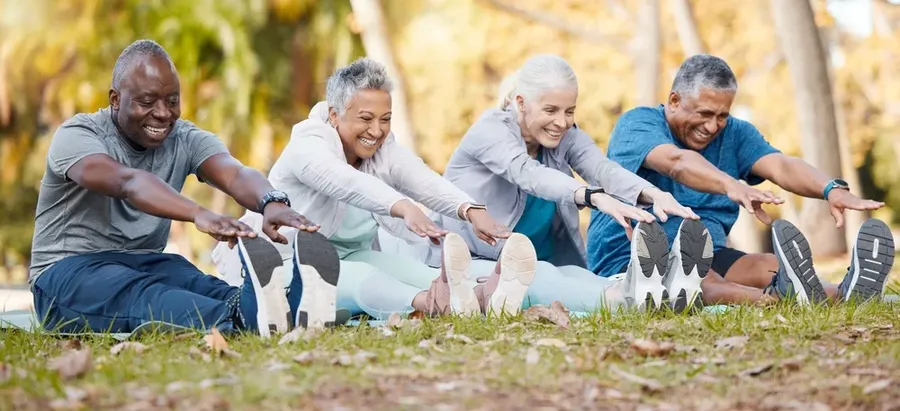
- Group Exercise Classes: These classes cater specifically to older adults and might include low-impact aerobics, chair exercises, stretching, and strength training. The group setting provides a supportive environment, making exercise more enjoyable and motivating.
- Balance and Flexibility Training: Maintaining balance and flexibility is key to preventing falls and injuries. Programs often offer classes in yoga, tai chi, or Pilates, focusing on improving balance, flexibility, and core strength.
- Water Aerobics: Water-based exercises provide a low-impact workout that reduces stress on the joints. Water aerobics classes, often held in heated pools, offer a fun and effective way to stay active while minimizing the risk of injury.
- Walking Clubs: Walking is simple and accessible for seniors. Wellness programs often organize walking clubs, where participants can enjoy regular walks in parks, community centers, or shopping malls. Walking with a group not only promotes fitness but also encourages social interaction.
Mental and Emotional Wellness: Keeping the Mind Sharp
Mental and emotional wellness are key components of senior wellness programs. Activities that stimulate the mind and foster emotional well-being are essential for maintaining cognitive function and a positive outlook on life.
- Cognitive Activities: Programs often offer a range of cognitive activities designed to keep the mind engaged, including puzzles, board games, and memory exercises. Educational classes on various topics can also provide mental stimulation and encourage lifelong learning.
- Creative Arts: Engaging in creative activities like painting, drawing, music, or crafts can have a profound impact on emotional well-being. These activities provide an outlet for self-expression and can be particularly beneficial for seniors experiencing cognitive decline. Many programs offer classes in various forms of creative arts, allowing participants to explore new hobbies and talents.
- Mindfulness and Relaxation: Mindfulness practices, such as meditation and deep breathing exercises, are increasingly incorporated into senior wellness programs. These practices help reduce stress, anxiety, and depression, promoting a sense of calm and well-being.
Social Wellness: Building Connections and Community
Social interaction is a critical element of overall wellness, particularly for seniors who may be at risk of social isolation. Senior wellness programs play a vital role in fostering social connections and building a sense of community among older adults.2
- Social Events and Gatherings: Many programs organize regular social events, such as potlucks, holiday celebrations, and game nights, providing opportunities for seniors to connect with others and strengthen relationships.
- Support Groups: Support groups offer a safe and supportive environment for seniors to share their experiences and challenges. Whether dealing with health issues, grief, or other life transitions, support groups can provide comfort and understanding.
- Volunteer Opportunities: Volunteering can be a rewarding way for seniors to stay active and engaged in their communities. Senior wellness programs often offer volunteer opportunities, allowing participants to give back while building a sense of purpose and connection.
The Comprehensive Benefits of Senior Wellness Programs
Senior wellness programs are more than just fitness classes or social gatherings—they are comprehensive initiatives designed to enhance the overall quality of life for older adults. By addressing physical, mental, emotional, and social wellness, these programs help seniors maintain their independence, improve their health, and foster meaningful connections.
Participating in a senior wellness program can be transformative, offering the tools and support needed to age while maintaining peak health. Whether through exercise, mental stimulation, creative expression, or social interaction, senior wellness programs empower older adults to live their best lives, no matter their age.